
Conval Camseal Ball Valve
Conval Camseal Ball Valve
 SUPPLIER: Conval Inc.
 AVAILABILITY: Canada
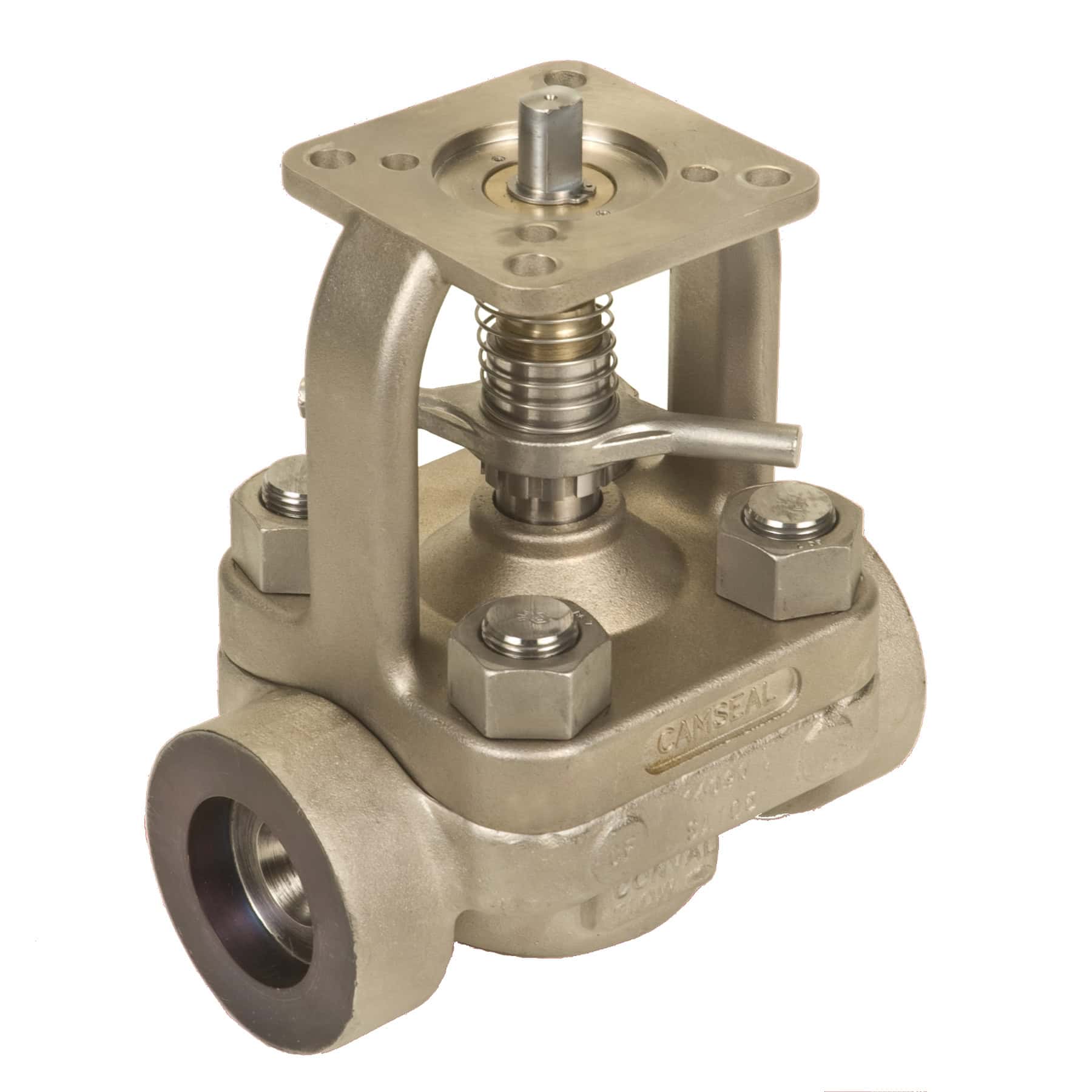
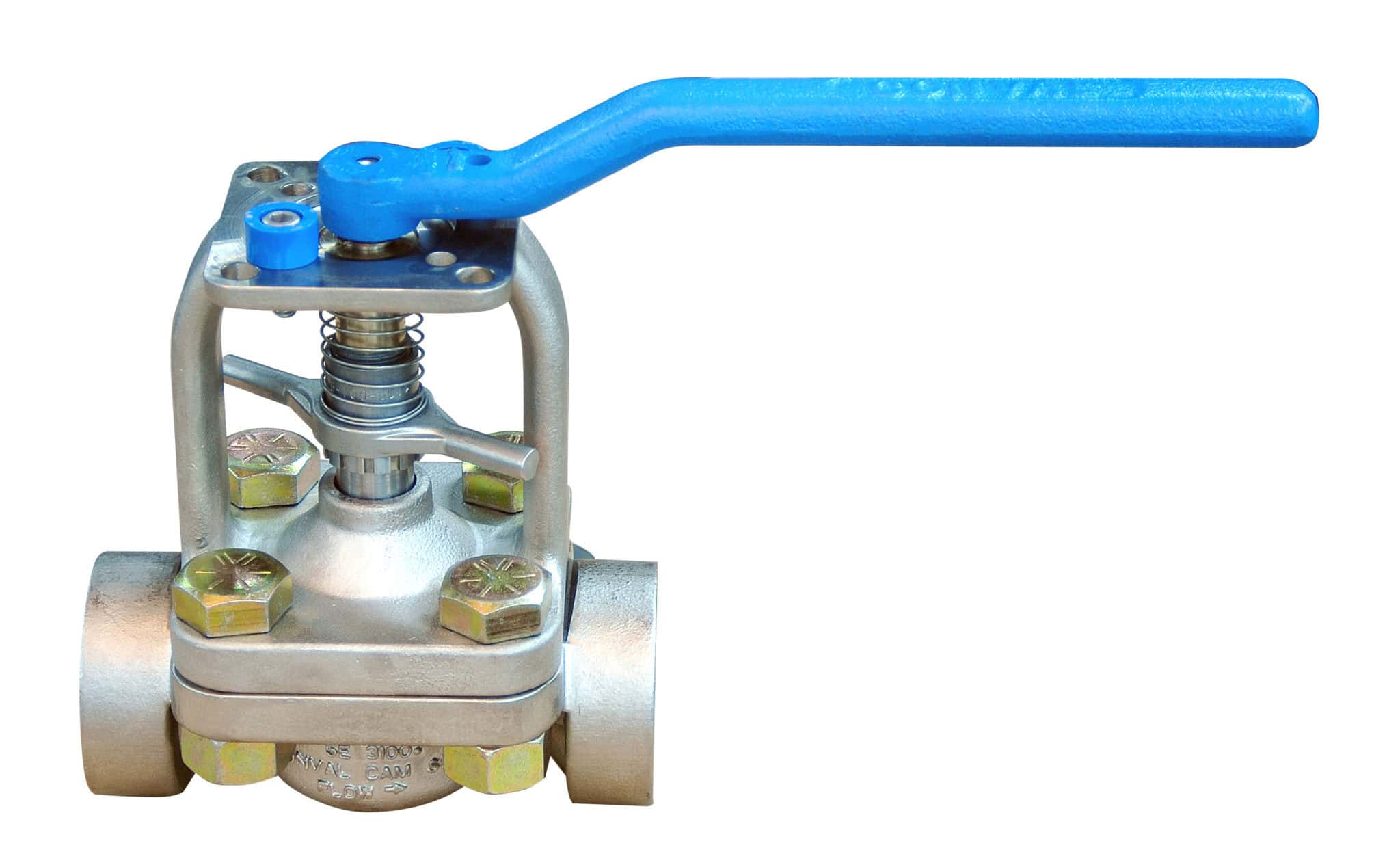
Reduce maintenance costs and downtime with Conval’s Camseal metal-seated ball valve for high-pressure, high-temperature applications.
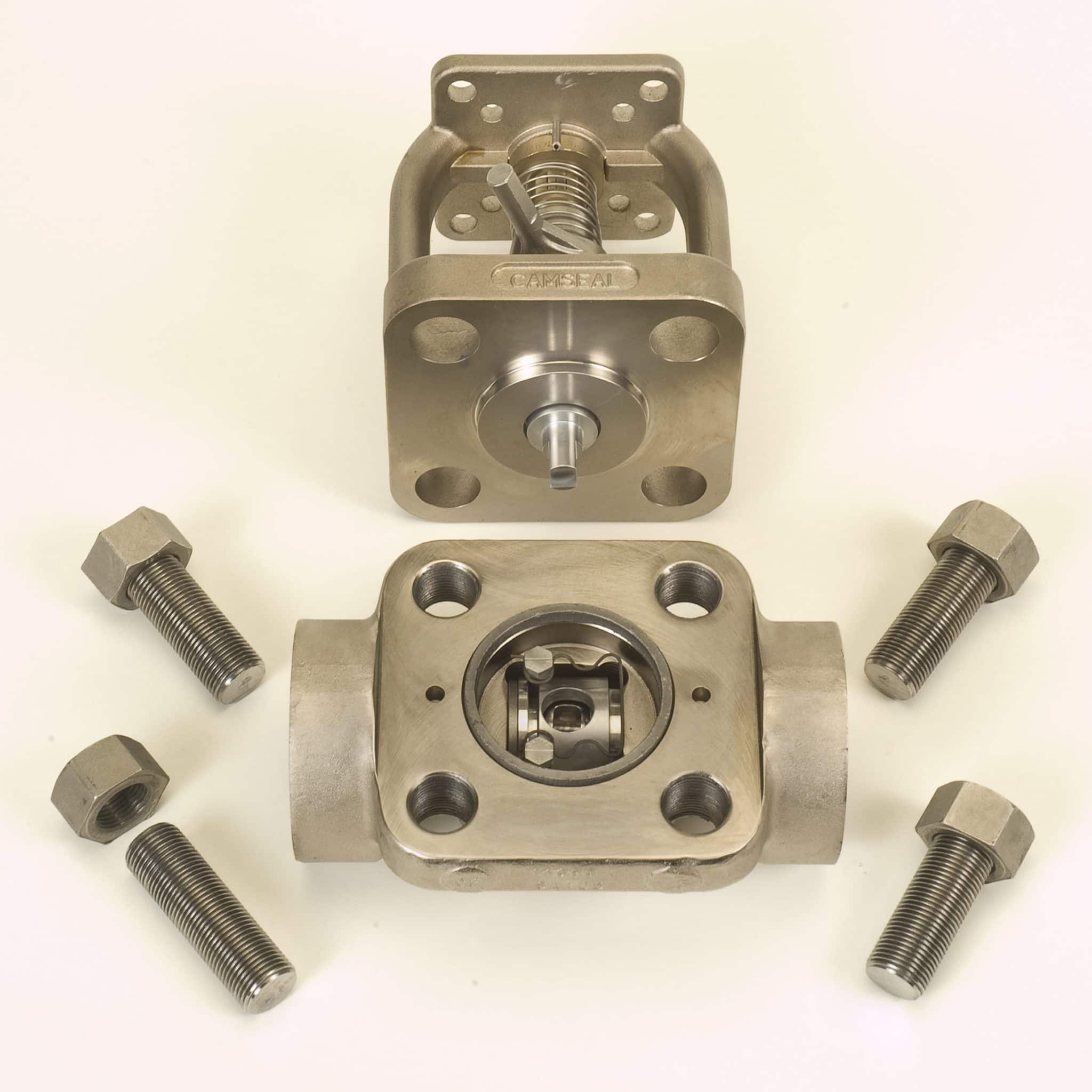
The Camseal features a unique top-entry design for quick in-line access and simple cartridge style trim replacement. The valve is metal-seated to suit high pressures and temperatures. The one-piece body eliminates the potentially negative effects of pipeline stresses and loosening or fatigue of the body bolts.

Design Parameters
- Feedwater Isolation
- HP/HT steam Isolation
- HRSG Drains
- Vents and Blowdown Isolation
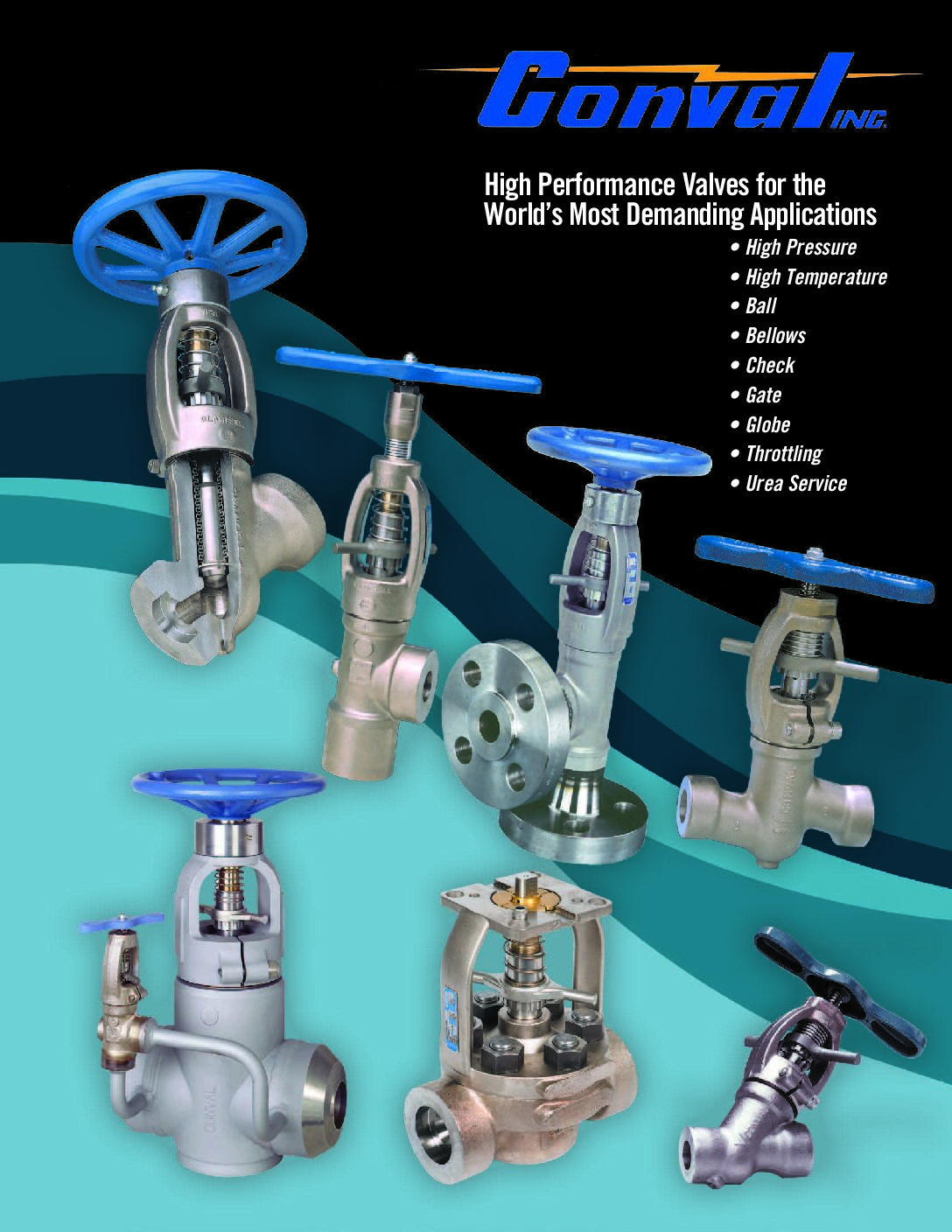 PDFConval Product OverviewDownload PDF
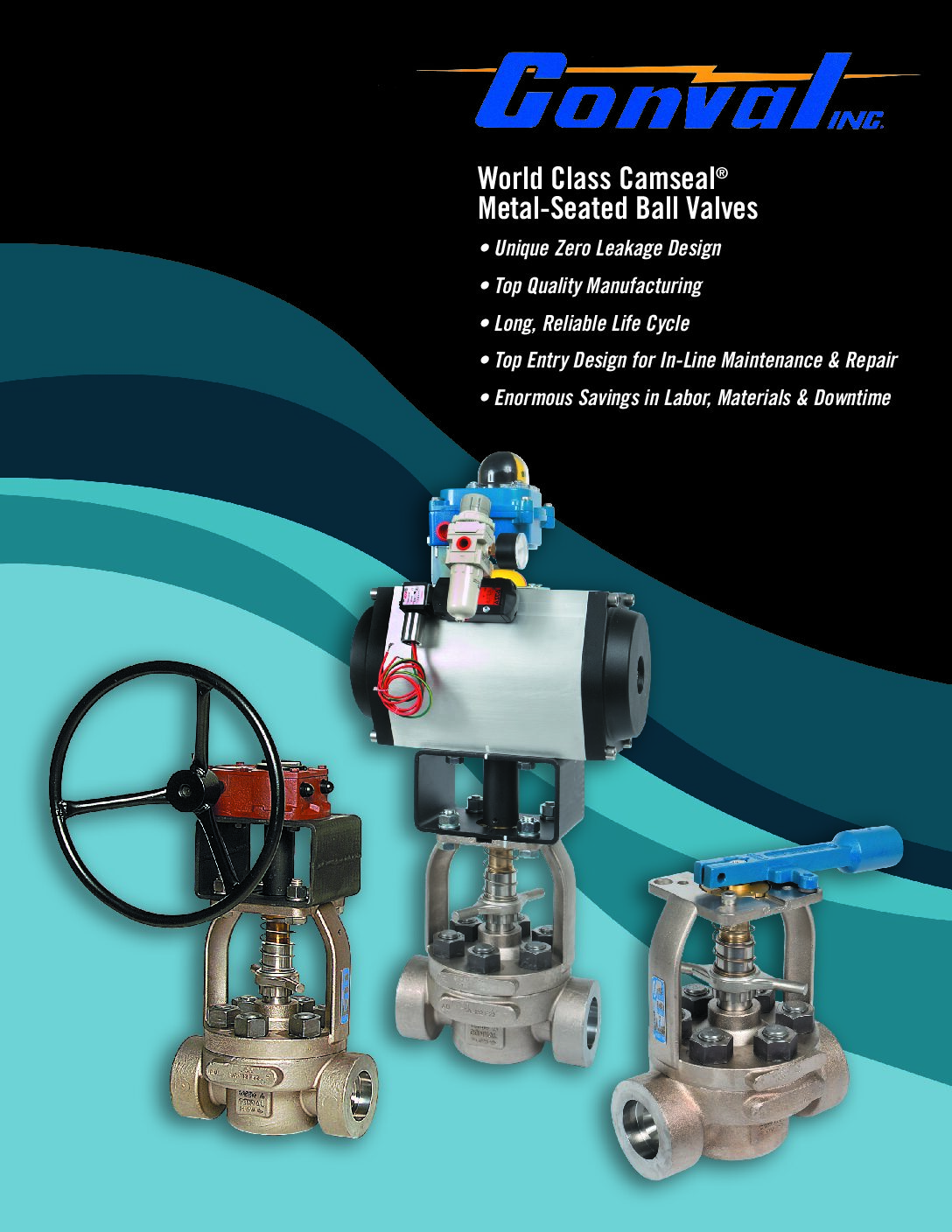 PDFConval Camseal Product BrochureDownload PDF
 Video / AnimationFive smart reasons to specify the Conval Camseal Ball Valve.Watch Video
 ArticleThe Importance of Actuated Isolation Valves in Steam SystemsRead Article
 ArticleValve Repair vs. Replacement: Which Saves You More?Read Article
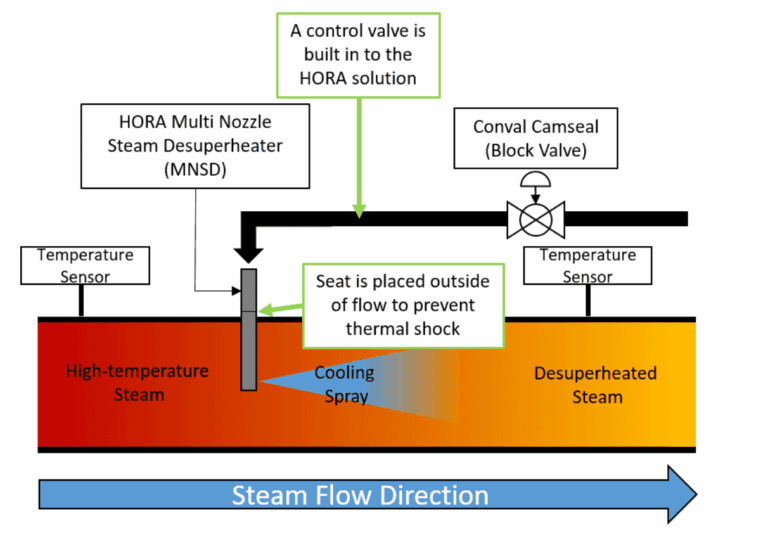 Case StudyPower Plant Achieves 87K Cycles Before First Maintenance with In-Line Renewable Block ValveView Case Study
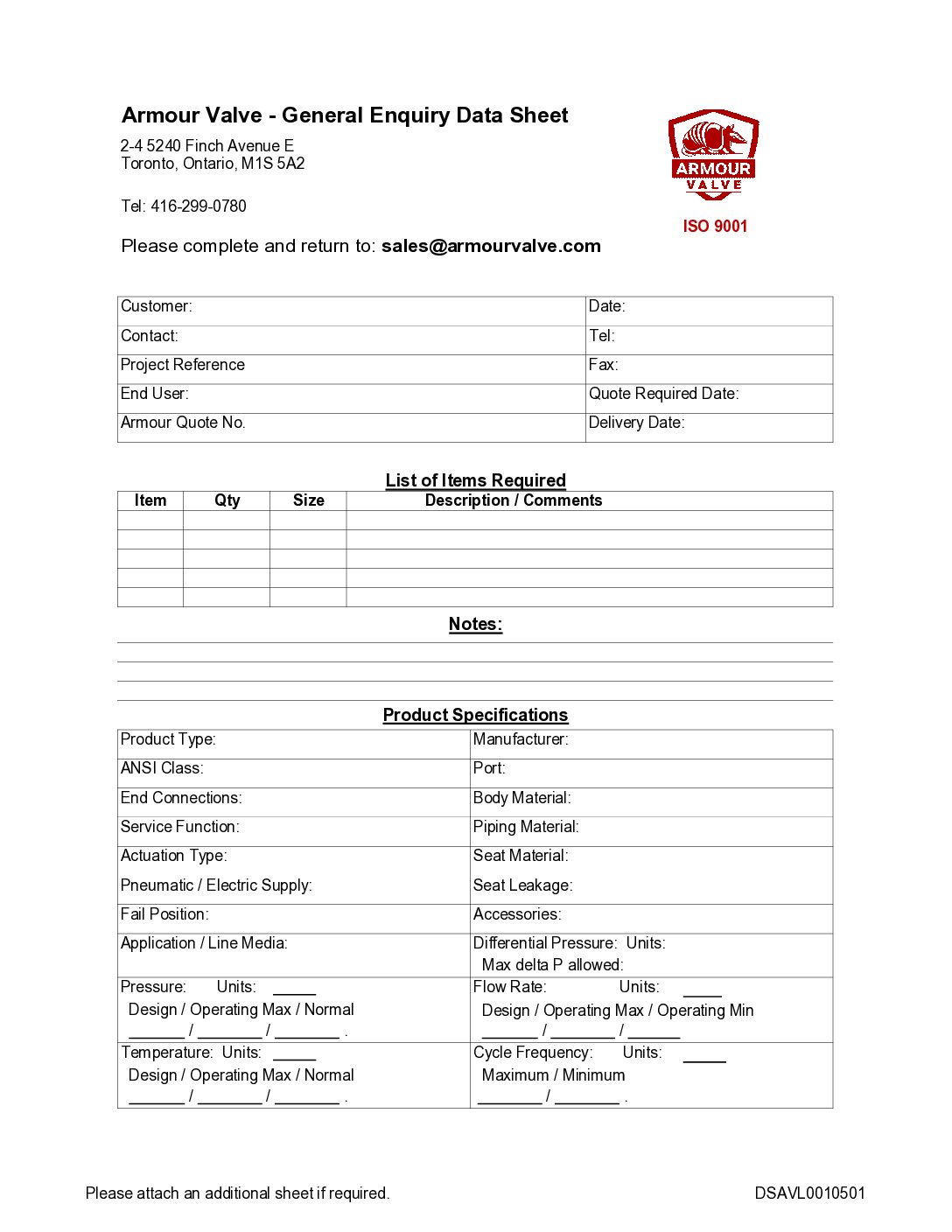 PDFArmour Valve General Enquiry DatasheetDownload PDF


Frequently Asked Questions
Find quick answers to the most common questions
What makes the Camseal® Ball Valve different from standard Ball Valves?
Camseal uses a pressure‑seal bonnet, in‑line renewable trim, and a hardened, metal‑seated design built for high‑pressure, high‑temperature steam isolation — not general industrial service. It delivers zero seat leakage and long lifecycle performance where soft‑seated or floating ball valves fail.
Can the Camseal® Ball Valve be repaired in‑line without cutting welds?
Yes. The pressure‑seal bonnet allows technicians to remove the ball, seat, stem, and packing without cutting pipe welds or removing the valve from the line. This is one of Camseal’s strongest lifecycle cost advantages. Maintenance teams can access, remove, and replace the factory-tested ball and seat cartridge in under 30 minutes without cutting welds or removing the valve body from the line.
How does the Camseal® Ball Valve achieve zero seat leakage?
The valve uses a precision‑hardened metal seat, guided stem, and pressure‑assisted sealing geometry that maintains tight contact under high pressure and temperature. Conval type‑tests Camseal® for zero seat leakage using high‑pressure nitrogen.
How does the Camseal® Ball Valve handle thermal shock and high‑cycle operation?
The hardened metal seat, guided stem, and pressure‑seal bonnet maintain tight alignment under rapid temperature swings and repeated cycling, preventing seat distortion and ensuring long‑term zero‑leakage performance.