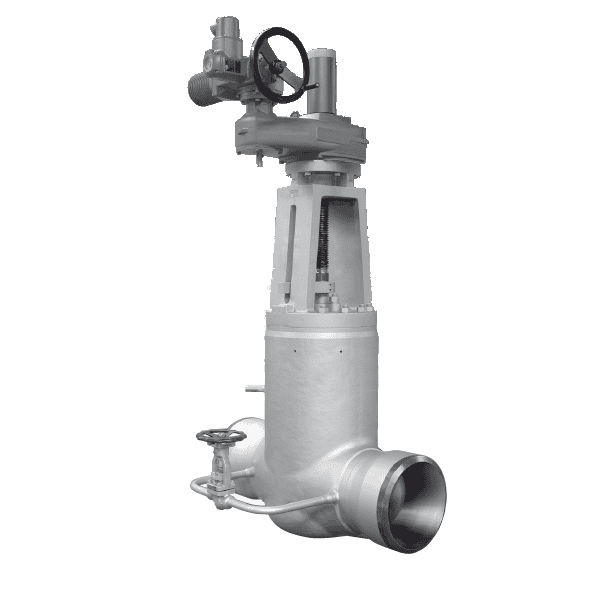
Persta High-Pressure Forged Valve
Persta High-Pressure Forged Valve
 SUPPLIER: Persta
 AVAILABILITY: Canada
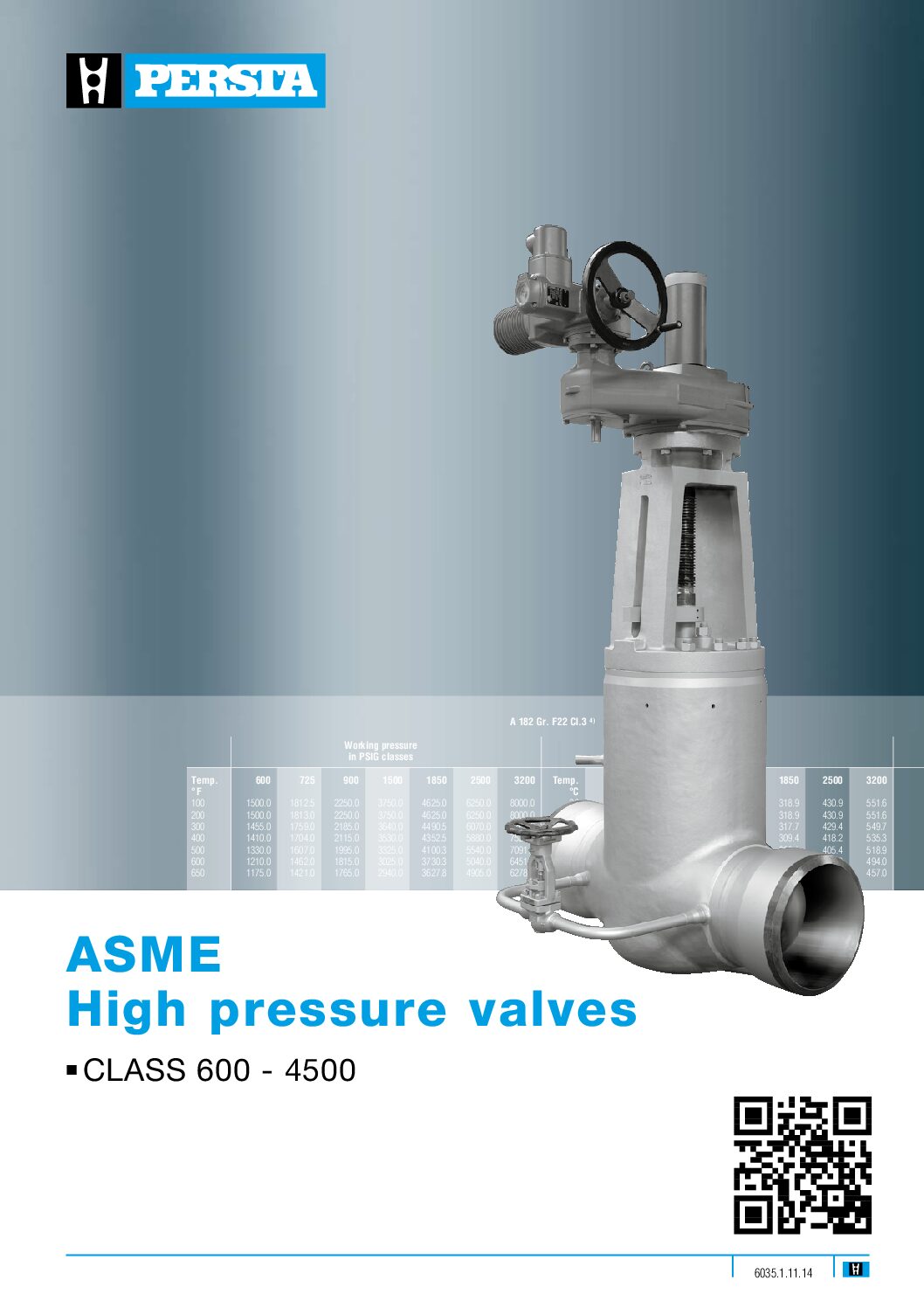
Persta manufactures high-pressure die-forged gate, globe, and check valves, and line blinds for steam and water applications. Persta valves are available in a range of materials and body designs to suit a variety of application and installation requirements. The Persta valve design allows for easy and efficient maintenance using conventional tools.


Frequently Asked Questions
Find quick answers to some of the most common questions
Why choose PERSTA’s die‑forged steel valves over cast‑steel valves for high‑pressure service?
Die‑forged steel eliminates casting porosity, shrinkage cavities, and structural voids. PERSTA’s forging process produces a dense, uniform grain structure with significantly higher mechanical strength and thermal‑shock resistance. This allows for lower wall thickness, higher pressure capability, and longer service life in high‑energy steam and cyclic temperature environments.
How does PERSTA’s pressure‑seal bonnet maintain leak‑tight performance under thermal cycling?
The pressure‑seal bonnet uses internal line pressure to compress the body‑bonnet gasket. As pressure increases, the seal tightens automatically. This self‑energizing design maintains zero external leakage through repeated heat‑up and cool‑down cycles, delivering reliable performance up to 600°C in high‑pressure steam systems.
How do PERSTA valves prevent stem scoring, packing wear, and torque instability?
PERSTA uses a non‑turning, rising stem design that eliminates rotational friction on packing rings. A two‑piece gland flange ensures uniform compression without binding or side‑loading. This prevents stem scoring, reduces packing degradation, and maintains consistent operating torque even in high‑cycle service.
Can PERSTA high‑pressure forged valves be serviced in‑line?
Yes. PERSTA’s top‑entry pressure‑seal bonnet allows operators to inspect internal seating surfaces, replace packing, and re‑lap seats without removing butt‑welded valves from the line. This reduces outage time, simplifies maintenance, and supports safe, efficient in‑line servicing.