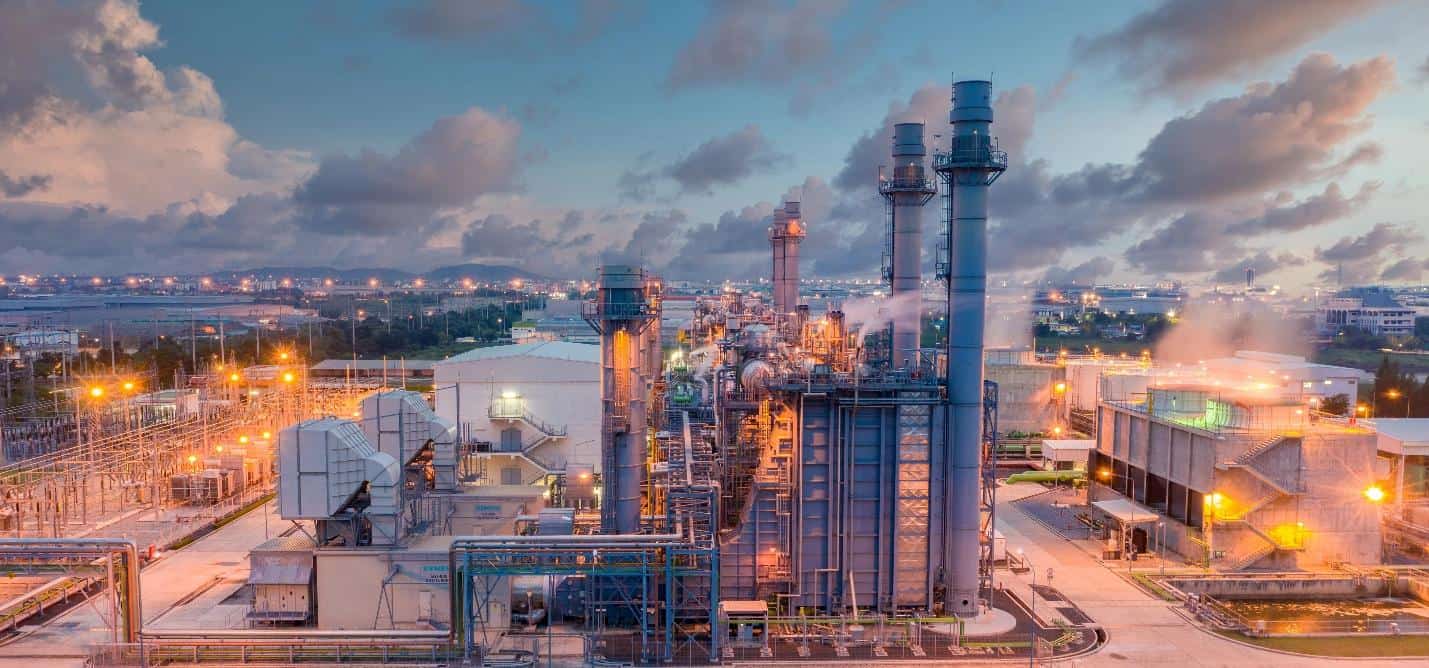
Steam systems rarely behave the way the design drawings suggest once they’re exposed to real plant conditions. A boiler may deliver steam at a defined pressure and temperature, but the moment that steam enters the plant, it starts changing. Heat loss, throttling, flashing, cycling, and shifting demand all influence its temperature, pressure, and velocity as it moves through the system.
Operators live in this gap between design intent and real operating behaviour. They deal with temperature swings during load changes, condensate formation in long runs, wet steam hitting equipment that expects dry steam, and spray water valves hunting because of noisy temperature signals. Valves become the tools that shape steam into something usable: isolating, throttling, reducing pressure, or trimming temperature as conditions shift. A steam conditioning or desuperheating system brings the steam back to the state the process needs.
This guide breaks down how these systems work, where they’re used, and the design choices that determine whether they perform reliably in industrial steam environments.
Understanding Steam Quality: Superheated vs. Saturated Steam
Steam quality directly affects heat transfer performance and equipment life.
Superheated steam
Steam is superheated when its temperature is above the saturation temperature for its pressure. It contains no suspended moisture and remains stable as it travels, but it transfers heat less efficiently because it must cool to saturation before condensation—and latent heat release—can begin.
Saturated steam
Saturated steam sits on the saturation curve, where temperature and pressure are directly linked. Most heating processes prefer it because latent heat transfer begins immediately when condensation occurs.
A simple way to picture the difference: superheated steam behaves like the hot, dry air from a hair dryer—the steam is above the boiling point for its pressure and must cool before it can condense. Saturated steam is right at the boiling point; the moment it touches a cooler surface; it condenses and releases a concentrated burst of heat.
When steam carries more superheat than the process can use, a desuperheater or steam temperature control valve is required to bring it back toward saturation.
What Is Steam Conditioning?
A steam conditioning system combines pressure reduction and temperature control in a single assembly. It’s used when a process requires both a lower pressure than the supply line and a steam temperature close to saturation or within a defined superheat margin.
A typical steam conditioning valve includes:
- multi‑stage pressure‑reducing trim to manage velocity and noise
- a downstream spray water injection section for temperature control
- independent control loops for pressure and temperature
Common applications include turbine bypass systems, auxiliary steam lines, and process headers that supply equipment with different steam requirements.
Performance depends heavily on how the valve manages velocity, atomizes spray water, and responds to rapid changes in load.
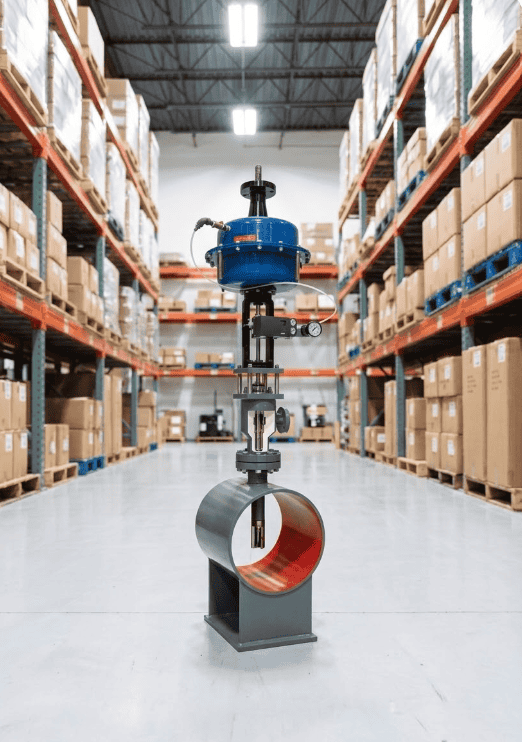
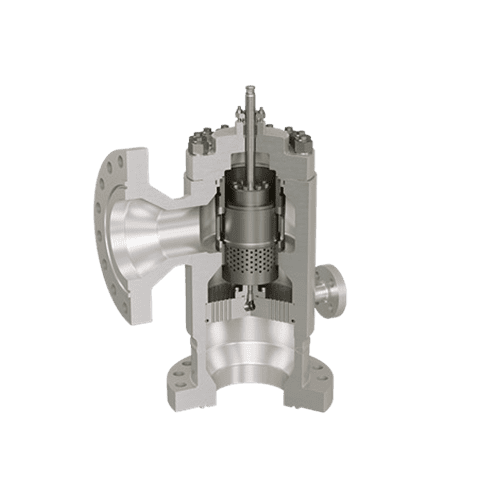 HORA steam conditioning valves are engineered for these environments. Their multi‑stage trim, stable pressure and temperature control, and reliable spray water atomization help maintain predictable operation under cycling and high‑differential‑pressure conditions. The valves are built with materials and geometries that manage velocity, reduce erosion, and withstand thermal fatigue. They’re also field‑serviceable—critical components can be removed and reinstalled during outages, reducing downtime.
These characteristics make HORA valves a strong fit for turbine bypass systems, auxiliary steam lines, and other applications where steam conditions change quickly and reliability is essential.
How a Steam Conditioning Valve Works
A steam conditioning valve takes steam that is too hot and too high‑pressure and brings both values down to what the system needs. It does this by combining three functions inside one body:
- Pressure reduction through multi‑stage or drilled‑hole trim
- Temperature reduction by injecting finely atomized water after the pressure drop
- Coordinated control, where the pressure loop positions the trim and the temperature loop meters the spray water
The sequence matters. The trim reduces pressure and creates the right flow conditions for evaporation. The spray water system injects droplets sized to evaporate quickly in the high‑velocity steam. The mixing section ensures the steam and water fully blend so the outlet temperature is uniform.
The valve body must withstand high differential pressures, rapid thermal cycling, and the erosive forces created by throttling superheated steam. Trim design—its stages, geometry, and materials—determines how well the valve manages velocity, avoids erosion, and maintains stable downstream conditions during transients.
What Is Desuperheating?
Desuperheating focuses solely on temperature control. A desuperheater cools superheated steam by injecting water that evaporates into the flow. The principle is simple: evaporation absorbs heat. The engineering challenge is ensuring complete evaporation without liquid carryover.
Performance depends on droplet size, steam velocity, mixing and turbulence and residence time.
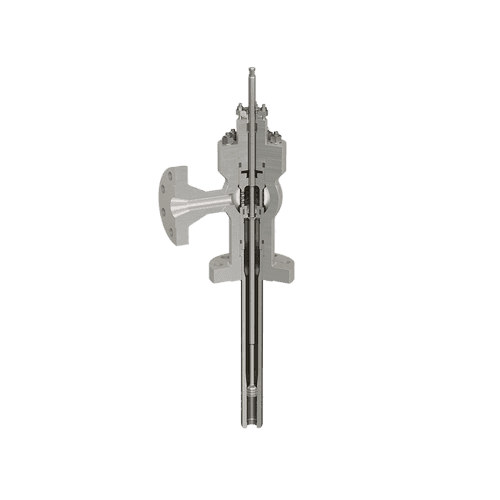
Spray‑type desuperheaters are common because they offer stable control across a wide load range. HORA desuperheaters are designed for consistent droplet atomization, stable performance across a wide operating range, and robust construction for severe‑service steam conditions. Their designs promote complete evaporation, reduce water carryover risk, and withstand frequent cycling. They’re also field‑serviceable, allowing critical components to be disassembled and reassembled during outages. One pulp and paper customer extended their maintenance interval from annual servicing to three‑year uptime using a HORA multi‑nozzle desuperheater.
Types of Desuperheaters
Mechanical desuperheaters
Mechanical or venturi‑based designs use geometry to improve steam/water interaction. They’re useful when water pressure is limited or when stable mixing is needed across a wide load range.
Spray water desuperheaters
Spray‑type desuperheaters inject water directly into the steam flow through nozzles. Performance depends on nozzle geometry, water pressure, and control responsiveness.
Indirect desuperheaters
Indirect designs use a heat exchanger instead of direct water injection. They’re chosen when water contamination is unacceptable or when extremely tight temperature control is required.
Key Design Considerations
Several engineering details determine whether a steam conditioning or desuperheating system performs reliably:
- Turndown ratio — must maintain accuracy at minimum and maximum loads
- Spray water control — stable measurement prevents overshoot
- Piping layout — straight runs downstream allow complete evaporation
- Velocity — too low and droplets fall out, too high and erosion increases
- Materials — trim and body materials must withstand erosion and thermal cycling
These considerations often matter more than the choice of desuperheater type.
Common Problems and How to Prevent Them
Overspray
Too much water entering the steam causes quenching, liquid carryover, and thermal shock. This usually traces back to noisy temperature signals or aggressive spray water valve response. Stable measurement and proper control‑loop tuning prevent overspray.
Poor atomization
Large droplets evaporate slowly and can strike pipe walls. This is typically caused by low water pressure margin, worn nozzles, or operating below the desuperheater’s minimum load. Maintaining differential pressure and inspecting nozzles improves atomization.
Erosion
High‑velocity wet steam or flashing across trim stages can erode internals and downstream piping. Multi‑stage pressure reduction, hardened materials, and proper velocity management reduce erosion risk.
Temperature instability
Oscillating outlet temperature often results from control‑loop tuning, sensor placement, or insufficient downstream length. Proper sensor location and adequate residence time stabilize temperature control.
Applications Across Industries
Steam conditioning valves and desuperheaters show up in almost every sector that relies on controlled steam. The operating conditions vary, but the fundamentals stay the same: stable pressure, predictable temperature, and steam quality that protects downstream equipment.
- Power generation — turbine bypass, HRSG temperature trim, auxiliary steam
- Petrochemical and refining — heater protection and process steam conditioning
- Pulp and paper — dryer sections and bleaching systems with shifting steam demand
Each industry uses steam differently, but all depend on equipment that can respond predictably as conditions change.
Selecting the Right System
The choice between a steam conditioning valve and a standalone desuperheater comes down to what the process needs.
- Pressure reduction — only a conditioning valve can reduce pressure; a desuperheater cannot
- Temperature control range — tight or fast‑moving targets may require integrated control
- Load variability — wide swings demand high turndown and stable atomization
- Spray water quality — poor water quality may call for indirect cooling or specific nozzle designs
- Downstream sensitivity — turbines, reheaters, and certain process units often dictate how closely pressure and temperature must be controlled together
Accurate process data—steam flow, inlet conditions, outlet targets, and available piping length—drives proper sizing and determines whether pressure and temperature control should be combined or handled separately.
Steam Conditioning and Desuperheating: Next Steps
A conditioning or desuperheating system is only as reliable as the design decisions behind it. Once pressure, temperature, and load requirements are defined, the next step is to review the operating scenarios, spray water conditions, and piping layout to confirm the system can maintain stable control under real plant dynamics. That’s often where overspray risk, erosion potential, or turndown limitations first become visible.
Many plants bring in a specialist at this stage to validate assumptions, check sizing against real operating envelopes, and ensure the selected equipment can handle cycling, water quality, and downstream sensitivity. A short technical review early in the process can prevent issues that only appear during commissioning or early operation.
If you’re evaluating a new system or troubleshooting an existing one, we can walk through your process conditions and help determine whether a conditioning valve, standalone desuperheater, or integrated solution is the right fit.